

Secure Your Investment: A Foreigner's Guide to Dominican Republic Real Estate Titles & Due Diligence in 2025
By the UpHoming Research Team ·
Buying Dominican Republic real estate? Learn how to verify property titles, conduct due diligence, and avoid scams. A crucial guide for foreign investors in 2025.
Table of Contents
Dominican Republic Real Estate: Navigating Titles, Due Diligence, and Scams
Investing in Dominican Republic real estate offers incredible opportunities, from the pristine beaches of Punta Cana to the vibrant culture of Santo Domingo. Yet, like any thriving market, it comes with unique considerations. For foreign investors, understanding the nuances of property titles, legal due diligence, and how to avoid scams is not just important; it is essential for securing your dream property. This guide will walk you through the specifics, offering actionable advice to protect your investment in 2025 and beyond.
Verifying Dominican Republic Developer Ownership & Permits in Las Terrenas
Imagine finding that perfect pre-construction condo in Las Terrenas. It looks fantastic on paper, but before you get swept away, you need to verify the developer's legitimacy. This process starts with confirming actual land ownership. Your lawyer should immediately request the developer's Certificado de Título for the land where the project is being built. This document, issued by the Property Registry (Registro de Títulos), proves legal ownership.
Next, you need to verify permits. The developer must have all necessary municipal and environmental permits. Key documents include:
- Uso de Suelo (Land Use Permit): Confirms the land is zoned for the intended construction.
- Permiso de Construcción (Construction Permit): Authorizes the building of the specific project.
- Permiso Ambiental (Environmental Permit): Ensures compliance with environmental regulations.
These permits are typically issued by the local municipal government and the Ministry of Environment. Your lawyer will contact these agencies directly to confirm the validity and scope of the permits. Without these, you risk investing in a project that could face significant delays, fines, or even demolition orders.
How to Verify Property Owners and Avoid Real Estate Scams in the DR
Avoiding real estate scams in the Dominican Republic starts with rigorous verification of the property owner or developer. Do not take anything at face value. A local, independent real estate lawyer is your greatest asset here.
Steps to Verify Legitimacy:
- Company Registration: If a developer, verify their company registration with the Chamber of Commerce (Cámara de Comercio y Producción). This confirms they are a legally operating entity.
- Reputation and Track Record: Research past projects. Visit completed developments, speak to existing owners, and check for online reviews or news articles. A reputable developer will have a transparent history.
- Title Verification: Always demand the Certificado de Título for the specific property or land. Your lawyer will then perform a detailed title search at the Property Registry to ensure the person or entity selling is indeed the registered owner and that the title is clear.
- Official ID: For individual sellers, verify their identity with official government-issued documents.
Warning: Be wary of any seller or developer who pressures you for cash payments, discourages you from using your own lawyer, or offers deals that seem "too good to be true." Scammers often rush transactions and avoid official channels.
Biggest Problems for Foreign Investors Buying Property in the Dominican Republic (2025)
Foreign investors in Dominican Republic real estate, while finding many opportunities, often encounter specific challenges. In 2025, the biggest problems typically revolve around:
- Title and Ownership Disputes: Despite improvements, historical issues with informal land sales (known as "derecho de posesión" or possessory rights, not actual title) can still lead to disputes. Some properties may have overlapping claims or un-demarcated boundaries.
- Squatter Issues: In some less developed areas, informal settlers can occupy land, creating legal headaches and lengthy eviction processes for legitimate owners.
- Slow Legal System: While improving, the Dominican legal system can be slow. Resolving disputes, particularly those involving title, can take significant time and resources.
- Lack of Proper Demarcation (Deslinde): Many older properties lack a proper "deslinde," which is the official survey and demarcation of land boundaries. This can lead to boundary disputes with neighbors.
- Corruption: While the government is working to combat it, localized corruption in some municipal or registry offices can still pose challenges, especially without proper legal representation.
Pro Tip: Always engage a highly recommended, independent real estate lawyer specializing in foreign investments. Their local knowledge and network are invaluable.
Is the Dominican Republic Property Title System Reliable for Foreign Investors?
The Dominican Republic operates a Torrens system of land registration, which means the Certificado de Título is considered indefeasible once issued. This system, in principle, provides a strong guarantee of ownership. When you hold a clean Certificado de Título, you are the legal owner, and your rights are protected by law.
However, calling it "a complete mess" is inaccurate, but "unconditionally reliable" is also an overstatement without proper due diligence. The system's reliability hinges on the thoroughness of the initial title registration and subsequent transfers. Historical informalities, as mentioned, can create legacy issues. A weak point often lies not in the system itself, but in past errors, fraudulent activities that were not caught, or a failure to properly "deslindar" (demarcate) a property.
With a diligent lawyer, the system is reliable. The key is ensuring your specific title is clean, free of historical encumbrances, and properly registered. This is precisely what comprehensive due diligence aims to achieve, offering robust protection for foreign investors.
Essential Legal Due Diligence Steps for Clean Dominican Republic Property Titles
Your lawyer's due diligence is the bedrock of a secure Dominican Republic real estate investment. These specific steps are crucial for ensuring a clean title and preventing future complications:
- Comprehensive Title Search: Your lawyer will conduct an exhaustive search at the Property Registry (Registro de Títulos) for at least 30 years, tracing the chain of ownership. This ensures the seller has clear, undisputed ownership.
- Lien and Encumbrance Check (Gravámenes): This step identifies any mortgages, easements, judgments, or other legal claims against the property that could affect your ownership rights.
- Property Tax Status (IPI): Verification that all property taxes (Impuesto sobre la Propiedad Inmobiliaria, IPI) are paid up-to-date. Outstanding taxes can transfer with the property.
- Boundary Demarcation (Deslinde): A professional land surveyor confirms the exact boundaries of the property. This is vital, especially for land plots, to prevent disputes with neighbors.
- Litigation History: Research any past or ongoing legal disputes involving the property or the seller.
- Zoning and Land Use Compliance: Confirmation with municipal authorities that the intended use of the property complies with local zoning laws.
- Utilities and Services: Verification of access to essential services like water, electricity, and sewage, and that any associated bills are current.
Warning: Never proceed with a purchase without your lawyer completing all these due diligence steps and providing a clear report. Skipping any part exposes you to significant risk.
Safeguards for Buying Pre-Construction Property in the DR: What Foreigners Need to Know
Buying pre-construction property in the Dominican Republic offers potential for appreciation and customization, but it requires specific safeguards:
- Developer Reputation and Experience: This is paramount. Investigate the developer's past projects, financial stability, and track record of on-time delivery and quality. Speak with owners in their completed developments.
- Escrow Accounts: Ensure your payments are held in an escrow account, ideally managed by a reputable third-party lawyer or financial institution, and released to the developer only upon completion of agreed-upon construction milestones. This protects your funds if the project fails.
- Detailed Contract: A robust purchase agreement is critical. It should specify construction timelines, material quality, design specifications, payment schedules tied to progress, and penalties for delays.
- Completion Bonds/Guarantees: Some developers offer completion bonds or guarantees from a bank or insurance company, which provide financial protection if the developer defaults.
- Regular Inspections: Arrange for independent inspections at various stages of construction to ensure quality and adherence to the contract.
- Phased Payments: Structure payments so a significant portion is paid only upon final completion and delivery of the unit, along with the title.
Dominican Republic Pre-Construction Contracts: Spotting Unfavorable Developer Changes
One of the significant concerns when buying pre-construction in the Dominican Republic is the potential for developers to unilaterally update contracts or introduce unfavorable clauses. This can happen, which is why your lawyer's role is non-negotiable from day one.
What to Watch For:
- Unilateral Amendment Clauses: Be cautious of clauses that allow the developer to change terms, specifications, or timelines without your explicit consent or a clear, justified process.
- Material Changes: The contract should lock in material quality and finishes. Changes should require your approval, with corresponding adjustments to price or compensation for downgrades.
- Delay Penalties: Ensure the contract includes clear penalties for significant construction delays. Without them, you have little recourse if the project drags on.
- Price Adjustment Clauses: While some contracts may include inflation clauses, ensure they are fair and tied to objective economic indicators, not solely at the developer's discretion.
- Force Majeure Scope: Understand what events are covered by "force majeure" (unforeseeable circumstances) and how they impact timelines and obligations. Ensure it is not overly broad.
Any proposed contract amendment should be thoroughly reviewed by your lawyer. Do not sign anything without understanding its full implications. Your lawyer will ensure the contract provides you with sufficient protection as an investor.
Will Dominican Republic Property Laws Protect Foreign Investors in 5-10 Years?
The Dominican Republic has made significant strides in strengthening its legal and property system over the past decade, and this trend is expected to continue. In the next 5-10 years, foreign investors can anticipate:
- Increased Transparency: Greater digitization of the Property Registry and other government services is making processes more transparent and accessible.
- Improved Efficiency: Ongoing reforms aim to streamline legal procedures and reduce bureaucratic delays, benefiting property transactions.
- Stronger Regulatory Framework: The government recognizes the importance of foreign investment and is motivated to create a more secure and predictable environment. This includes efforts to combat corruption and enforce property rights more consistently.
- Growing Expertise: The legal community is continually developing specialized expertise in international real estate and foreign investment law, offering more sophisticated protection.
While challenges will always exist, the trajectory points towards a more robust and protective system. Trust in buying and building property without fear of theft or shady dealings will grow as these reforms take deeper root. However, vigilance and professional legal counsel will remain the cornerstones of successful investment. The country is committed to fostering an attractive and secure environment for international capital.
Your Next Step: Secure Dominican Republic Real Estate Investment
Investing in Dominican Republic real estate offers unparalleled potential for growth and lifestyle. By understanding the legal landscape, conducting thorough due diligence, and partnering with experienced professionals, you can navigate the market confidently and secure your investment.
Ready to invest in Dominican Republic real estate with proper legal protection? Get our investor resources at uphoming.com
Keep reading

Santiago to Puerto Plata in 23 Minutes: What a $538 Million Highway Means for North Coast Property Values
July 7, 2026

3.7 Million Visitors, $13 Billion in Bank Commitments: What the Dominican Republic's Record Q1 2026 Means for Pre-Construction Buyers
July 1, 2026
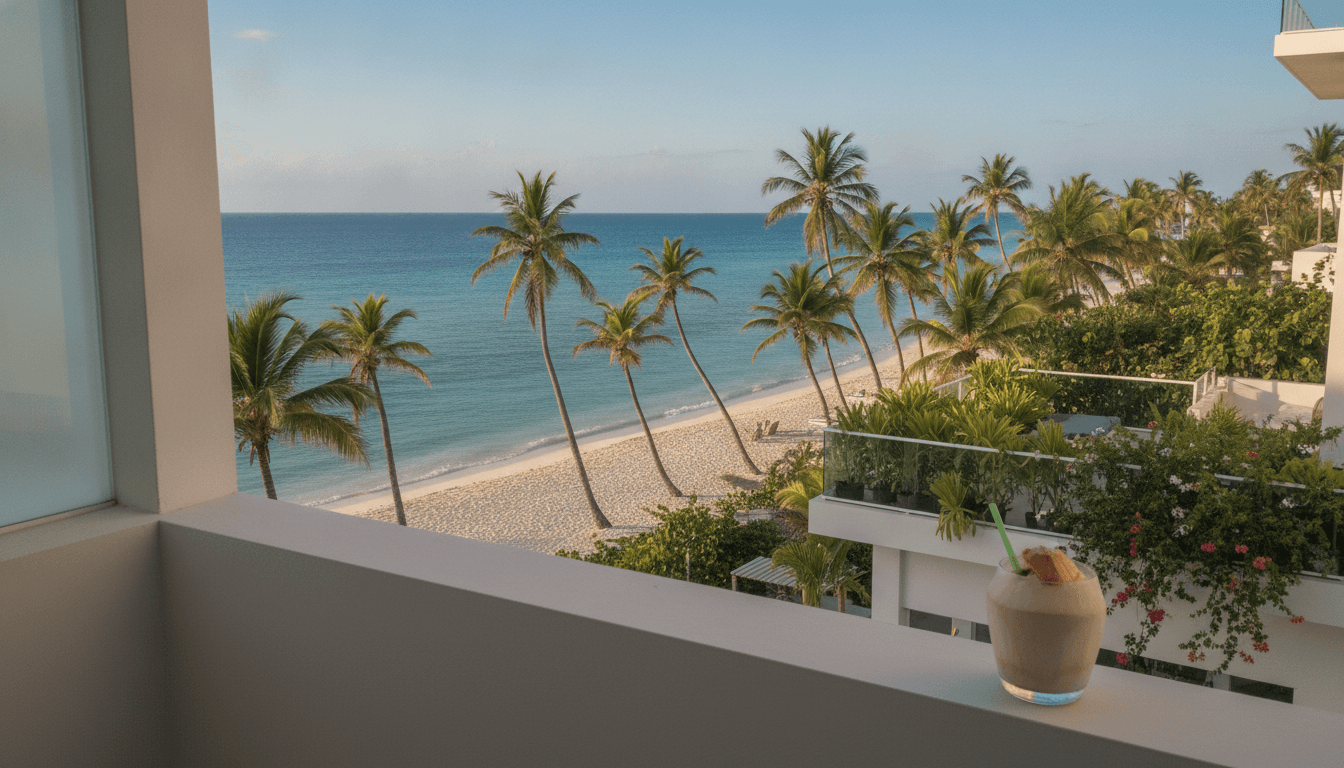
On the DR's North Coast, a Beach Condo Pays You Back 6–10% a Year — and Sells in Half the Time of a Villa
June 23, 2026