

Financing Dominican Republic Real Estate: A Foreign Investor's Guide to Mortgages & Costs
By the UpHoming Research Team ·
A comprehensive guide for US citizens investing in Dominican Republic real estate. Learn about mortgage options, down payments, interest rates, and all typical closing costs.
Table of Contents
Financing Dominican Republic Real Estate: A Foreign Investor's Guide to Mortgages & Costs
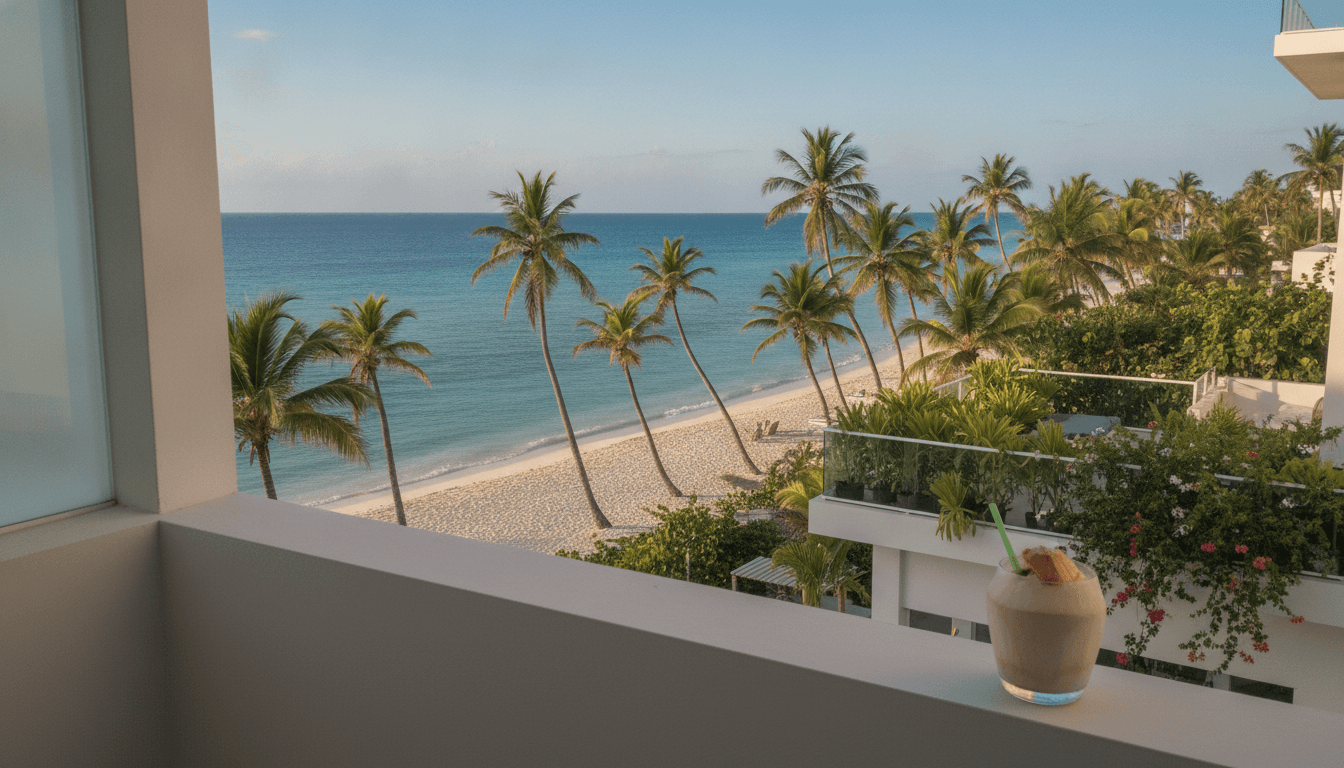
Dreaming of owning a piece of paradise in the Dominican Republic? Perhaps a beachfront condo in Punta Cana, a vibrant city apartment in Santo Domingo, or a serene villa in Las Terrenas? The allure of Dominican Republic real estate for foreign investors is undeniable, with its stunning landscapes, growing economy, and attractive rental yields. However, navigating the financing options and understanding the true costs of property acquisition can often feel like a complex puzzle.
This comprehensive guide aims to demystify the financial aspects of buying property in the Dominican Republic. We will break down everything from obtaining a mortgage as a US citizen to the specific requirements for all foreign investors, and a detailed look at typical closing costs. By the end, you will have a clear roadmap to confidently invest in DR property.
Can US Citizens Get a Mortgage for Dominican Republic Real Estate?
As a US citizen eyeing an investment in Dominican Republic real estate, one of your first questions likely revolves around financing. Can you get a mortgage from a Dominican bank, or is a cash purchase your only option? The good news is, yes, foreign investors, including US citizens, absolutely can secure mortgages from Dominican banks. You do not necessarily need to pay cash for your dream property in the DR.
However, it is important to manage expectations, especially regarding loan terms. While 30-year mortgage terms are standard in the United States, they are quite rare for non-resident foreigners in the Dominican Republic. Dominican banks typically offer shorter loan durations, often ranging from 5 to 15 years. This shorter term impacts your monthly payments, making them higher compared to a stretched-out 30-year term. Local banks prioritize shorter terms and higher down payments for foreign borrowers to mitigate perceived risk.
Some international banks with a presence in the DR, or even certain private lenders, might offer slightly longer terms, but these often come with stricter qualifying criteria or higher interest rates. Exploring all available avenues and comparing offers is always a smart move when considering a Dominican Republic property investment.
Dominican Republic Mortgage Requirements for Foreigners: Down Payments & Interest Rates
Securing a mortgage in the Dominican Republic as a foreigner involves specific requirements that differ from local borrowers. Understanding these upfront will streamline your application process and prepare you for the financial commitment.
Down Payment Percentages for DR Real Estate:
Expect to make a substantial down payment. While local residents might qualify with 20-30% down, foreign investors typically face higher requirements:
- Non-Resident Foreigners: Generally, banks require a down payment of 30% to 50% of the property's appraised value. This percentage can vary based on the bank, the property type, and your financial profile.
- Property Type: Higher down payments might be required for certain types of properties, such as raw land or properties in less developed areas, compared to well-established resort communities in Punta Cana or within Santo Domingo.
Interest Rates for Foreign Property Buyers in DR:
Interest rates in the Dominican Republic are generally higher than what you might be accustomed to in the US or Canada. They can also fluctuate based on market conditions and whether you opt for a loan in Dominican Pesos (DOP) or US Dollars (USD).
- USD Loans: Rates for US dollar-denominated mortgages for foreigners usually range from 7% to 12% annually. These are often variable rates, meaning they can change over the life of the loan.
- DOP Loans: Loans in Dominican Pesos often come with higher nominal interest rates, though currency fluctuations play a role in the real cost.
Essential Documents for Your Dominican Mortgage Application:
To apply for a mortgage, you will typically need to provide a comprehensive set of documents, demonstrating your financial stability and ability to repay the loan. This list helps banks assess the risk involved with your Dominican Republic real estate purchase:
- Valid Passport and other identification
- Proof of Address in your home country
- Financial Statements (bank statements, investment accounts for the last 6-12 months)
- Credit Report from your country of origin
- Proof of Income (employment letters, tax returns for the last 2-3 years, business financial statements if self-employed)
- Property Appraisal Report (ordered by the bank)
- Property Title and Purchase Agreement
Pro Tip: Start gathering these documents early. Having them organized will significantly speed up the mortgage application process for your DR property investment.
Typical Closing Costs for Buying Property in Dominican Republic
Beyond the purchase price and down payment, understanding the closing costs is critical for any foreign investor buying property in Dominican Republic. These fees cover the legal, administrative, and tax aspects of transferring property ownership. As a general rule, expect closing costs to range from 5% to 7% of the property's purchase price or its appraised value, whichever is higher for tax purposes.
Let's break down the key components:
Unpacking Dominican Republic Property Transfer Tax: A Foreign Investor's Guide
One of the most significant closing costs is the Property Transfer Tax, known as "Impuesto de Transferencia" in the Dominican Republic. This tax is a mandatory payment to the internal revenue service (Dirección General de Impuestos Internos - DGII) when property changes hands.
- Transfer Tax Rate: The rate is a flat 3% of the property's value. It is important to note that this value is determined by the DGII's assessment, which might be higher or lower than your actual purchase price. Generally, the DGII aims for market value.
- Payment Timing: This tax must be paid before the property title can be registered in your name.
This 3% tax is a fixed cost you will encounter regardless of how you finance your Dominican Republic real estate purchase.
Essential Legal and Notary Fees for DR Real Estate Purchases
Navigating the legal landscape of property acquisition in the DR requires expert guidance. Legal and notary fees are indispensable components of your closing costs.
- Legal Fees: Hiring a reputable, independent real estate lawyer is paramount for a secure DR property investment. Your lawyer conducts thorough due diligence, verifies the title, drafts the purchase agreement, and handles the overall closing process. Legal fees typically range from 1% to 1.5% of the purchase price, often with a minimum fee applied, particularly for lower-priced properties. Do not skimp on legal representation; it is your best defense against potential issues.
- Notary Fees: All real estate transactions in the Dominican Republic must be notarized to be legally binding. Notaries verify identities, witness signatures, and certify documents. Notary fees usually amount to approximately 1% of the property value, though this can vary based on the complexity and number of documents requiring notarization.
- Property Registration Fees: While these are separate fees, they are typically processed and covered by your legal counsel. These are nominal charges by the Title Registry Office (Registro de Títulos) to officially record the transfer of ownership into your name. These fees are much smaller than the transfer tax.
Warning: Always ensure your lawyer represents only you, the buyer, to avoid conflicts of interest. This is crucial for a secure buying property Dominican Republic experience.
Ongoing Property Costs and Taxes for Foreign Investors in Dominican Republic
Your financial considerations do not end at closing. Foreign investors in Dominican Republic real estate should also budget for ongoing costs and annual taxes.
- Annual Property Tax (IPI): The Impuesto al Patrimonio Inmobiliario (IPI) is an annual property tax. It is applied to properties valued above a certain threshold, which is adjusted annually. For 2024, this threshold is approximately DOP 9,520,089 (around USD 170,000, depending on the exchange rate). If your property's assessed value exceeds this amount, you pay 1% annually on the excess value. Properties valued below this threshold are exempt. Agricultural properties and homes owned by individuals aged 65 or older (who have no other properties) are also often exempt.
- Rental Income Tax: If you plan to generate rental income from your DR property, non-resident foreign investors are subject to a 27% tax on their net rental income. It is important to keep accurate records of expenses related to the property to deduct them from your gross income.
- Capital Gains Tax: If you sell your Dominican Republic real estate for a profit, you will be subject to a Capital Gains Tax. This is currently set at 27% of the net gain (sale price minus acquisition cost and approved expenses).
- Maintenance Fees (HOA): For condos or properties within gated communities or resorts (common in areas like Punta Cana), expect to pay monthly Homeowners Association (HOA) or maintenance fees. These cover shared amenities, security, common area upkeep, and sometimes utilities. Fees can range widely depending on the services and luxury level.
- Utilities and Insurance: Factor in recurring costs for electricity, water, internet, and property insurance. These can vary significantly based on usage and location.
Investing in Dominican Republic real estate offers immense potential, but like any sound investment, it demands a clear understanding of the financial landscape. From the nuances of foreign mortgages to the breakdown of closing costs and ongoing tax obligations, being well-informed is your greatest asset. With proper planning and expert guidance, your journey to owning a piece of this Caribbean paradise can be both rewarding and financially secure.
Ready to invest in Dominican Republic real estate with proper legal protection and financial clarity? Get our investor resources at uphoming.com.
Keep reading

Santiago to Puerto Plata in 23 Minutes: What a $538 Million Highway Means for North Coast Property Values
July 7, 2026

3.7 Million Visitors, $13 Billion in Bank Commitments: What the Dominican Republic's Record Q1 2026 Means for Pre-Construction Buyers
July 1, 2026
On the DR's North Coast, a Beach Condo Pays You Back 6–10% a Year — and Sells in Half the Time of a Villa
June 23, 2026