

Dominican Republic Real Estate: Market Trends, Investment Risks, and Future Value for Foreign Investors
By the UpHoming Research Team ·
Navigate Dominican Republic real estate with expert insights on market trends, investment risks, and future property values for foreign investors.
Table of Contents
Dominican Republic Real Estate: Market Trends, Investment Risks, and Future Value for Foreign Investors
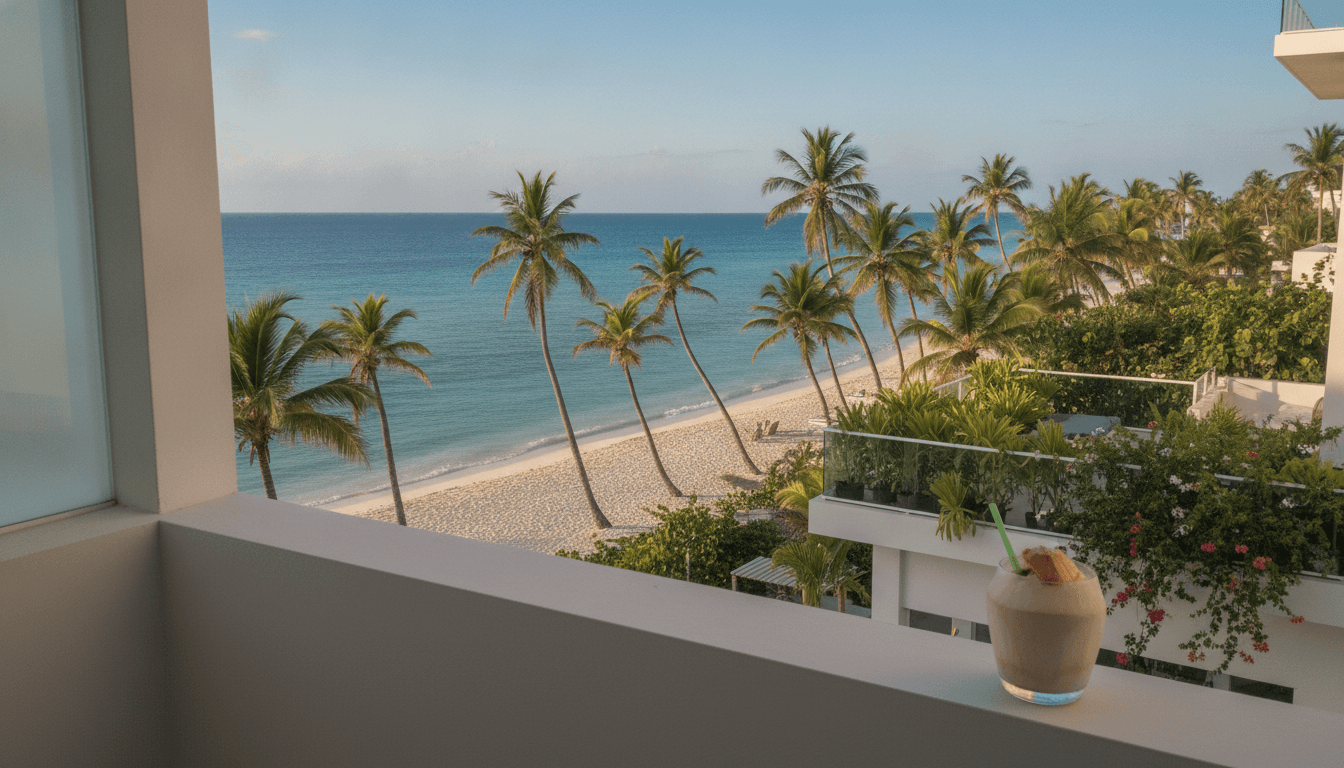
The Dominican Republic beckons with its stunning beaches, vibrant culture, and robust tourism, a true Caribbean gem for real estate investors. Many foreign investors are drawn to the promise of high rental yields and capital appreciation. But like any thriving market, understanding the nuances of Dominican Republic real estate is crucial for long-term success. You want to make smart moves, protect your investment, and ensure your dream property delivers on its potential. This guide will walk you through critical market trends, identify common investment risks, and help you gauge the future value of your DR property.
Punta Cana Real Estate Overbuilding: Market Trends for Investors
One of the most pressing questions for anyone considering property in the Dominican Republic, particularly the East Coast, revolves around Punta Cana. Is there overbuilding, leading to many empty units and difficulty selling for a profit or getting good rental occupancy rates? This is a valid concern, and the answer is nuanced.
Punta Cana has experienced explosive growth over the last two decades. New developments, particularly condos and tourist-oriented residences, have emerged rapidly. While some areas might feel saturated with new construction, it is important to differentiate between genuine oversupply and a healthy, expanding market.
Here's what I've observed:
- Targeted Demand: A significant portion of new construction caters to specific niches: short-term rental properties designed for tourists, luxury villas for high-net-worth individuals, and affordable units for first-time buyers or local professionals. The market is not monolithic.
- High Occupancy in Key Areas: Properties in prime locations, especially those with direct beach access, strong amenity packages, or proximity to established resorts and services, often maintain high occupancy rates. Rental success hinges heavily on property management, marketing, and the quality of the unit itself. Many investors see excellent returns here.
- Developer Reputation Matters: Not all developers are equal. Reputable developers with proven track records for quality construction, timely delivery, and effective property management services often build units that perform well. Conversely, less experienced developers might contribute to slower-selling inventory.
- Resale Market Dynamics: Selling for a profit is very possible, but it is not guaranteed. Appreciation is strongest for well-maintained properties in desirable locations. Units that are poorly managed, lack amenities, or are in less-developed areas might take longer to sell or require price adjustments.
- Infrastructure Growth: The government and private sector continue to invest in infrastructure in Punta Cana, including roads, hospitals, and entertainment venues. This sustained growth helps absorb new inventory by attracting more residents and tourists.
Pro Tip: Do your research on specific micro-markets within Punta Cana. Areas like Bavaro, Cap Cana, or Macao each have their unique supply and demand dynamics. Look at rental data for comparable properties, not just general market statistics.
Future Value: New vs. Older Homes in Dominican Republic Real Estate
Another common question from foreign investors is whether older concrete homes in the DR are likely to depreciate in value compared to newer construction in 10+ years. The answer depends on several factors, primarily location, maintenance, and modernization.
- Construction Quality and Durability: Dominican Republic homes are predominantly built with concrete, a robust material suited for the tropical climate. Older concrete homes, if well-built and properly maintained, are structurally sound and can last for generations. Their inherent durability is a major advantage.
- Depreciation Factors for Older Homes:
- Design and Features: Older homes often feature outdated designs, smaller bathrooms, less open floor plans, and fewer modern amenities (like smart home technology, high-efficiency appliances, or energy-saving features) that new constructions offer. This can make them less attractive to a segment of buyers.
- Maintenance Costs: While structurally sound, older homes may require more significant investment in plumbing, electrical systems, roofing, or cosmetic upgrades to meet modern standards or tenant expectations. Neglected maintenance will accelerate depreciation.
- Market Appeal: New construction often comes with warranties, modern finishes, and integrated community amenities (pools, gyms, security) that appeal strongly to today's buyers and renters, sometimes commanding higher prices and rental rates.
- Appreciation Potential for Older Homes:
- Prime Locations: An older home in an irreplaceable, prime location (e.g., beachfront, city center with historic value, established upscale neighborhood) can appreciate significantly. The land value in such areas often drives the overall property value.
- Renovation Potential: Smart renovations can transform an older home, injecting modern appeal while retaining the character or solid bones. This can significantly boost its market value.
- Scarcity: In some sought-after locations, available land for new construction is scarce. Existing older properties become more valuable simply due to their presence in a desirable area.
My take: While newer homes might command a premium initially due to modern aesthetics and amenities, a well-located, well-maintained older concrete home in the Dominican Republic can absolutely hold or increase its value. The key is strategic investment in upkeep and potentially thoughtful modernization. Do not dismiss older properties without a thorough inspection and market analysis.
Dominican Republic Property Risks: Environmental Protection Zones
Purchasing property in areas that might later be designated as environmental protection zones presents significant risks for any foreign investor in the Dominican Republic. The DR government is increasingly focused on environmental conservation, and these designations can severely impact property use and value.
Here are the primary risks:
- Building Restrictions: Once an area becomes an environmental protection zone, strict regulations on construction apply. You might face limitations on the size of structures, building materials, density, and even the types of activities allowed on your land. In some cases, new construction could be completely prohibited.
- Value Depreciation: Properties within newly designated environmental zones can see their market value depreciate significantly. The restrictions on development and use reduce the pool of potential buyers and the property's overall utility.
- Expropriation (with compensation): In extreme cases, the government has the right to expropriate land for public use or environmental protection, even if you hold a clear title. While compensation is legally required, it might not always reflect the full market value you envision, and the process can be lengthy and complex.
- Permit Challenges: Obtaining construction permits or even permits for minor renovations can become exceedingly difficult or impossible in protected areas. This can freeze your development plans or render your land unusable for its intended purpose.
- Legal Disputes: You might find yourself entangled in legal battles with environmental agencies or local authorities, which can be costly and time-consuming, even if you believe your property rights are being infringed upon.
Warning: Always conduct thorough due diligence, including checking official maps and zoning plans. Consult with a specialized local real estate attorney and, if necessary, an environmental consultant familiar with Dominican Republic regulations. Do not rely solely on seller assurances.
Essential Due Diligence for Dominican Republic Real Estate Investment
To mitigate risks and ensure a sound Dominican Republic real estate investment, comprehensive due diligence is non-negotiable. This process helps you verify the property's legal status, identify potential issues, and confirm its value.
Key Due Diligence Steps:
- Title Search and Verification: Work with an independent attorney to conduct a thorough search at the Title Registry Office. Verify the seller is the rightful owner, the property description is accurate, and there are no liens, encumbrances, or pending legal disputes against the title.
- Survey and Demarcation: Ensure the property has a certified survey (deslinde) from a licensed surveyor. This legally defines the boundaries and area of the land. Discrepancies between the title and the survey are red flags.
- Zoning and Land Use Review: Confirm the property's zoning classification with the local planning department (Ayuntamiento). This is critical for understanding what you can legally build or do on the land, especially regarding the environmental protection zones discussed earlier.
- Tax History Verification: Check for any outstanding property taxes (IPI) or transfer taxes. These debts transfer with the property and become the buyer's responsibility if not cleared by the seller.
- Permits and Approvals: If purchasing new construction or a property with recent renovations, ensure all necessary building permits and occupancy permits were obtained.
- Physical Inspection: Beyond legal checks, a professional property inspection can reveal structural issues, maintenance needs, or potential problems that affect future value and immediate costs.
Actionable Steps for DR Real Estate Investment Success
Investing in Dominican Republic real estate can be incredibly rewarding when approached strategically. To maximize your investment and mitigate potential pitfalls, consider these actionable steps:
- Local Expertise is Paramount: Engage experienced and reputable local professionals: a real estate agent specializing in foreign investors, an independent attorney, and possibly a financial advisor. Their insights are invaluable.
- Understand Market Cycles: While the DR market has shown consistent growth, no market moves in a straight line forever. Be aware of local market cycles and avoid buying at the absolute peak if possible.
- Have a Clear Investment Strategy: Are you seeking rental income, capital appreciation, or a personal vacation home? Your strategy will dictate the best location, property type, and management approach.
- Budget for All Costs: Beyond the purchase price, factor in transfer taxes, legal fees, notary fees, property taxes, maintenance, and potential renovation costs. These typically add 5-8% to your initial investment.
- Plan for Property Management: If you are not residing full-time, a reliable property management company is essential for handling rentals, maintenance, and day-to-day operations.
The Dominican Republic offers compelling opportunities for foreign real estate investors, but success comes from informed decisions and diligent preparation. Understanding market trends, proactively addressing potential risks like overbuilding or environmental restrictions, and ensuring thorough due diligence are your best defenses. Your investment here can truly flourish with the right approach.
Ready to invest in Dominican Republic real estate with confidence and proper legal protection? Get our complete due diligence checklist and access to a vetted professional network at uphoming.com.
Keep reading

Santiago to Puerto Plata in 23 Minutes: What a $538 Million Highway Means for North Coast Property Values
July 7, 2026

3.7 Million Visitors, $13 Billion in Bank Commitments: What the Dominican Republic's Record Q1 2026 Means for Pre-Construction Buyers
July 1, 2026
On the DR's North Coast, a Beach Condo Pays You Back 6–10% a Year — and Sells in Half the Time of a Villa
June 23, 2026