

Dominican Republic Real Estate for Foreigners: Residency & Ownership Laws
By the UpHoming Research Team ·
Invest in Dominican Republic real estate: Your guide to ownership laws, coastal property, and obtaining residency as a foreign investor. Learn more.
Table of Contents
Dominican Republic Real Estate for Foreign Investors: A Comprehensive Guide
Investing in Dominican Republic real estate offers an exciting opportunity, whether you dream of a beachfront villa, a vibrant city condo, or a tranquil piece of land. The appeal is clear: beautiful landscapes, a growing economy, and a welcoming culture. But like any international venture, understanding the local regulations for property ownership and residency is essential. This guide cuts through the complexities, providing clear, actionable insights for foreign investors considering the DR property market.
Understanding Dominican Republic Property Ownership Laws for Foreigners
One of the most appealing aspects of investing in Dominican Republic real estate is the clarity of its ownership laws. The good news is that foreigners generally enjoy the same property rights as Dominican citizens. There are no inherent legal restrictions preventing non-residents from purchasing and owning land or property anywhere in the country. This fundamental principle simplifies the process considerably for international buyers.
Historically, some regions might have had specific nuances, but modern Dominican law strongly supports foreign investment. Your ownership will be registered under your name or a corporation you establish, providing the same legal protections as any local owner. This open-door policy makes the Dominican Republic an attractive destination for those looking to expand their real estate portfolio abroad.
Can Foreigners Buy Coastal Real Estate in the Dominican Republic?
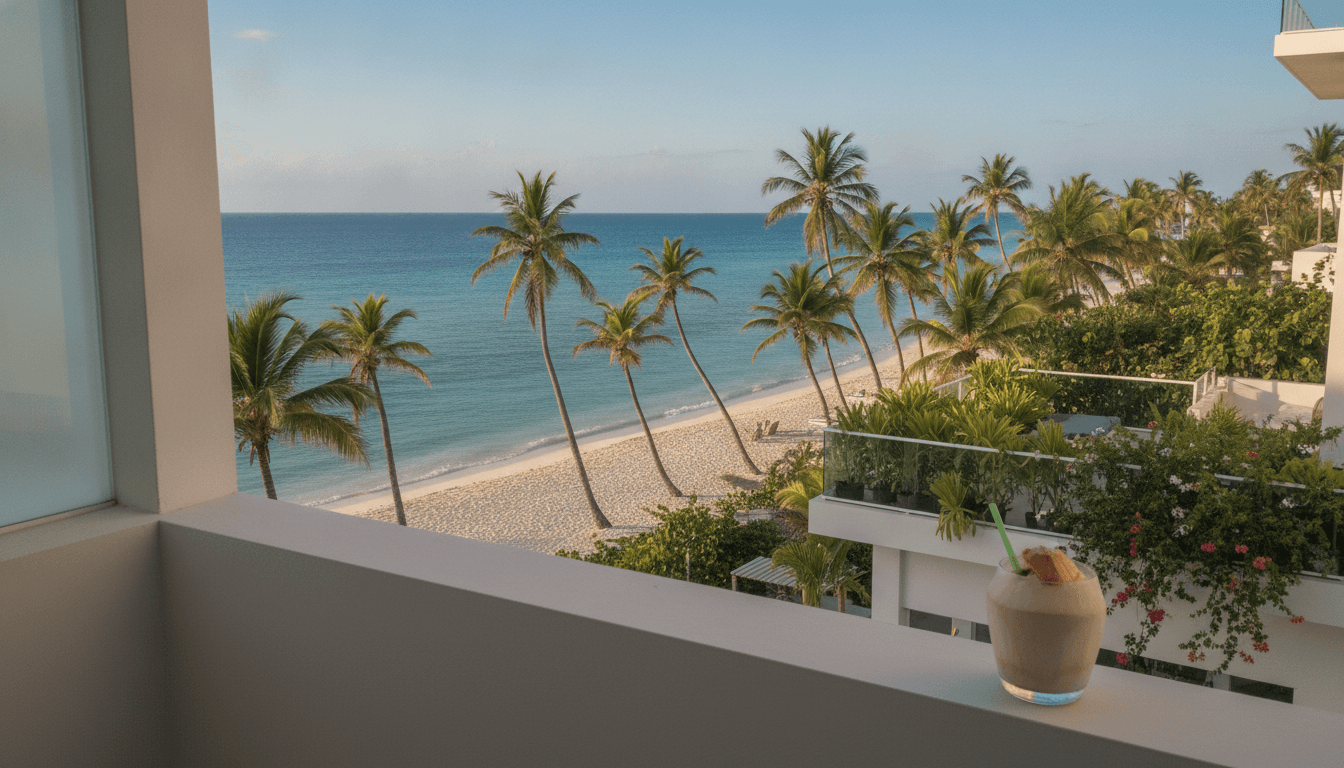
A common concern for prospective buyers is whether foreigners face restrictions when buying highly coveted coastal real estate in the Dominican Republic. I am happy to confirm there are no specific legal restrictions preventing foreigners from owning land or property in coastal regions. Locations like Punta Cana, Cabarete, Las Terrenas, and other beautiful beachfront areas are fully accessible to foreign investors.
This means your dream of a beachfront condo in Bávaro or a villa overlooking the ocean in Samaná is entirely achievable. The key to a smooth purchase, especially in these high-demand areas, involves thorough due diligence. Ensure the property has a clear title, is properly demarcated, and complies with local zoning laws. Your legal counsel will play a critical role here, verifying all aspects before you proceed with any purchase.
How a US Citizen Obtains DR Residency After Real Estate Investment
For US citizens, purchasing real estate in the Dominican Republic can also pave the way for obtaining residency. The Dominican government actively encourages foreign investment, and their residency by investment programs reflect this. While property ownership does not automatically grant residency, it significantly strengthens your application, particularly under the Investor Residency Program.
The core idea is that a substantial investment in the Dominican economy, which includes real estate purchases, qualifies you for a special residency category. This path offers a streamlined process compared to general residency applications. It signals to the government your commitment to the country, often leading to quicker approvals and fewer bureaucratic hurdles.
The Step-by-Step DR Residency Process for Real Estate Investors
Navigating the Dominican Republic residency process as a real estate investor involves several clear steps. Here is a general outline:
- Obtain a Residency Visa (VM-1): The initial step involves applying for a Residency Visa (VM-1) at a Dominican consulate in your home country. For US citizens, this would be a consulate in the United States. You will need to provide various documents, including your passport, police background check, medical certificate, birth certificate, and proof of your real estate investment in the DR. The investment amount typically needs to meet a minimum threshold to qualify for the Investor Residency Program.
- Enter the Dominican Republic: Once your visa is approved, you can enter the country.
- Apply for Temporary Residency: Within 30 days of arrival, you must apply for temporary residency with the General Directorate of Migration (Dirección General de Migración) in Santo Domingo. Here, you will submit a similar set of documents, often with additional local requirements such as an in-country medical examination and fingerprints. Your real estate investment documentation will be crucial.
- Obtain Temporary Residency Card: Upon approval, you receive your temporary residency card, typically valid for one year.
- Renew Temporary Residency: This card needs to be renewed annually for a specified period (often 2-3 years) before you can apply for permanent residency.
- Apply for Permanent Residency: After completing the required temporary residency period, you become eligible to apply for permanent residency, which is usually granted for a longer duration, sometimes up to four years, and eventually can lead to citizenship.
Pro Tip: Engaging a local, experienced immigration lawyer from the outset is invaluable. They ensure all documentation is correct, submitted on time, and guide you through each stage, preventing common pitfalls.
Specific Requirements for Colombian Citizens Buying Property in the Dominican Republic
As a Colombian citizen, your path to investing in Dominican Republic real estate largely mirrors that of other foreign investors, including US citizens. The fundamental ownership rights and the process for purchasing property remain the same. The primary difference you might encounter pertains to initial entry and specific visa requirements for the residency application.
While the Dominican Republic has a generally open policy for foreign investment, visa regulations can vary by nationality. For Colombian citizens, you may need to secure a specific type of visa to enter the DR initially, or to begin the residency application process, that might differ from what a US citizen requires.
Warning: Always consult with the Dominican Embassy or Consulate in Bogotá, Colombia, to get the most current and precise visa and entry requirements before making travel plans. They provide the official and up-to-date information for Colombian nationals seeking to invest and reside in the Dominican Republic. Once inside the DR, the residency by investment program typically follows the same steps for all eligible foreign investors, regardless of their original nationality.
Essential Due Diligence for Dominican Republic Real Estate Purchases
Successful Dominican Republic real estate investment hinges on thorough due diligence. Never skip these critical steps:
- Title Search: This is paramount. A local attorney must verify the property's title at the Title Registry Office (Registro de Títulos). This confirms legitimate ownership, checks for any liens, mortgages, or encumbrances, and ensures the seller has the legal right to sell.
- Survey and Demarcation: Confirm the physical boundaries of the property match the official records. An updated survey is crucial to prevent boundary disputes later.
- Zoning and Usage: Understand local zoning laws and how they impact your intended use of the property. Is it zoned for residential, commercial, or tourist development? Are there any restrictions on construction or modifications?
- Tax Records: Verify property tax payments are current and that there are no outstanding debts associated with the property.
- Developer Reputation: If buying a new build or from a developer, research their track record, previous projects, and client testimonials.
Protecting Your Investment: Legal Advice for DR Real Estate
Protecting your investment in Dominican Republic property means having robust legal representation. A skilled, independent local attorney is not just a luxury; it's a necessity. They will:
- Review Contracts: Scrutinize all purchase agreements, ensuring your interests are protected and terms are fair and transparent.
- Manage Escrow: Oversee the handling of funds through an escrow account, ensuring money changes hands only when all legal conditions are met.
- Register Your Property: Handle the transfer of the title and its registration with the Title Registry Office, officially making you the legal owner.
- Navigate Local Regulations: Advise on property taxes, inheritance laws, and any other legal considerations specific to your investment.
Investing in Dominican Republic real estate is a solid decision, but it should always be made with professional legal guidance. This proactive approach safeguards your assets and ensures a smooth, secure transaction.
Investing in Dominican Republic Property: Your Next Steps
The Dominican Republic offers compelling opportunities for foreign real estate investors, combined with a clear path to residency. Understanding the ownership laws, residency process, and due diligence requirements empowers you to make informed decisions. Whether you are a US citizen planning residency or a Colombian investor seeking a new market, the DR welcomes your investment.
Ready to invest in Dominican Republic real estate with proper legal protection and a clear path to residency? Get our investor resources, including due diligence checklists and a vetted network of legal professionals, at uphoming.com
Keep reading

Santiago to Puerto Plata in 23 Minutes: What a $538 Million Highway Means for North Coast Property Values
July 7, 2026

3.7 Million Visitors, $13 Billion in Bank Commitments: What the Dominican Republic's Record Q1 2026 Means for Pre-Construction Buyers
July 1, 2026
On the DR's North Coast, a Beach Condo Pays You Back 6–10% a Year — and Sells in Half the Time of a Villa
June 23, 2026