

Dominican Republic Real Estate Due Diligence: A Foreign Investor's Essential Guide
By the UpHoming Research Team ·
Navigate Dominican Republic real estate with our expert guide on legal due diligence and property verification for foreign investors. Secure your investment today!
Table of Contents
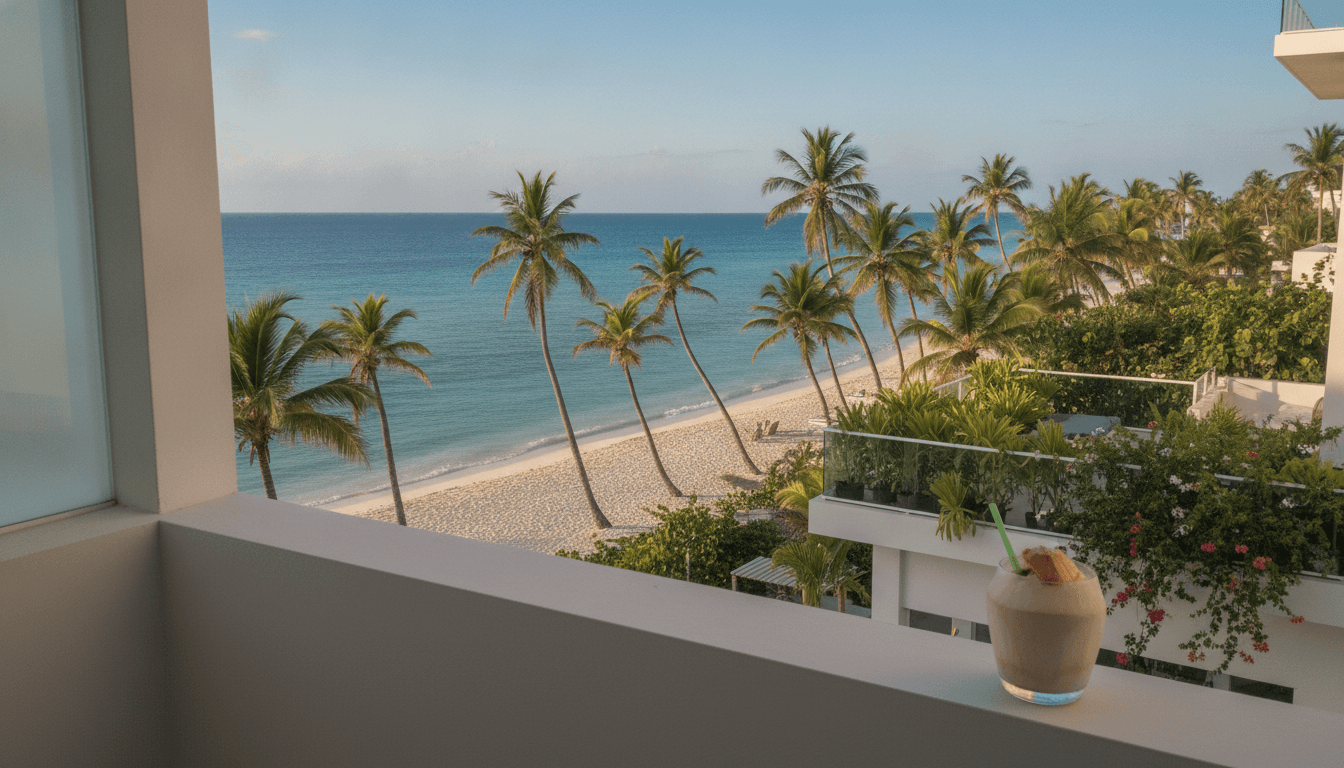
Picture this: You envision waking up to the Caribbean breeze from your new condo in Las Terrenas or overseeing your rental property in Punta Cana. The Dominican Republic offers incredible real estate opportunities for foreign investors, but the path to ownership requires careful navigation. Protecting your investment means understanding legal due diligence and property verification from the start.
Verifying Dominican Republic Pre-Construction Condos and Developer Ownership
Investing in pre-construction condos in vibrant areas like Las Terrenas or Punta Cana can offer attractive returns. However, ensuring the developer actually owns the land and possesses all necessary permits is paramount. Skipping this step can lead to significant headaches and financial losses.
How to Check Developer Land Ownership in Dominican Republic
The first critical step involves verifying the developer's ownership of the land. This is not always straightforward in the Dominican Republic. You need a trusted local real estate attorney, someone well-versed in DR property law, to perform a comprehensive title search at the Title Registry Office (Registro de Títulos). They will confirm the land's matricula (registration number) and the current owner. For larger developments, ensure the developer holds title to the entire parcel, or at least the specific portion where your unit will be built, with clearly defined subdivisions.
Securing Building Permits for DR Real Estate Projects
Beyond land ownership, confirm the developer has all necessary construction permits. This includes municipal permits (permisos de construcción) from the local city council (Ayuntamiento) and environmental permits from the Ministry of Environment and Natural Resources (Ministerio de Medio Ambiente y Recursos Naturales). Your attorney should review these documents thoroughly. A legitimate developer will readily provide these for inspection. If they hesitate, consider it a significant red flag. These permits ensure the project complies with local zoning laws and environmental regulations, safeguarding your investment against potential construction halts or legal challenges.
Ensuring a Clear Property Title in Dominican Republic Real Estate
A clear and legally registered title is the bedrock of any secure real estate investment. In the Dominican Republic, this means more than just a piece of paper; it involves specific legal processes to ensure you gain undisputed ownership.
Understanding 'Deslinde' in DR Property Law
The term 'deslinde' refers to the demarcation process that defines and delimits a property's precise boundaries. It is essential for ensuring your property has a clear and unchallengeable title. A 'deslinde' certificate confirms the exact size, shape, and location of the land, removing any ambiguities. Without a proper 'deslinde,' your property might be subject to boundary disputes with neighbors. For any land purchase, ensure the property has a definitive 'deslinde' completed and registered at the Title Registry Office. This process converts an old, unregistered land parcel into a new, delimited property under the current land registration system, offering much greater security.
Confirming No Protected Zones for Dominican Republic Property
The Dominican Republic boasts stunning natural beauty, much of which falls under protected status (áreas protegidas). Buying property within these zones carries severe restrictions or prohibitions on construction and development. Your due diligence must include verifying that the property is not located in a national park, a protected coastal area, or any other environmentally sensitive zone. Your lawyer will perform checks with the Ministry of Environment and Natural Resources and review the property's coordinates against official maps. This step protects you from future legal battles, hefty fines, or the heartbreaking discovery that you cannot build or develop as planned.
Resolving Dominican Republic Property Ownership Disputes
Unfortunately, property ownership disputes can arise. It is crucial to confirm the property's title is free of any encumbrances, liens, or ongoing disputes. Your attorney will conduct a thorough title search, examining the property's history at the Title Registry Office. They will look for any annotations, cautionary notes (oposiciones), or pending lawsuits that could affect ownership. A clear title should demonstrate a consistent chain of ownership, free from any competing claims. This detailed investigation minimizes the risk of purchasing a property embroiled in costly and time-consuming legal battles.
Navigating Generational Property Risks in the Dominican Republic
Some of the most complex challenges in Dominican Republic real estate involve properties passed down through generations. While seemingly attractive, these can carry significant risks due to potential 'Conflicto de Terrenos' (land disputes) and undisclosed heirs.
'Conflicto de Terrenos' and Undisclosed Heirs in DR
The Dominican Republic's land history is complex, with some properties historically passed down through informal arrangements or incomplete documentation. When a property has been inherited across multiple generations without formal succession procedures (declaración de herederos) being fully completed and registered, it creates a 'Conflicto de Terrenos.' This means the legal ownership might be fragmented among numerous heirs, some of whom might not even be aware of their claim or are difficult to locate. An individual attempting to sell such a property might only represent a fraction of the actual owners, leaving you vulnerable to claims from other heirs in the future. This situation can lead to prolonged and expensive legal disputes, potentially jeopardizing your investment entirely.
Mitigating Risks of Inherited Dominican Properties
When considering an inherited property, extreme caution is warranted. Your legal team must undertake an exhaustive investigation to confirm all rightful heirs have been identified, have explicitly renounced their claims, or are fully participating in the sale. This often involves researching family trees, reviewing past wills, and ensuring all legal formalities related to succession are properly executed and registered. The process can be intricate and time-consuming, but it is indispensable. If there are any ambiguities or difficulties in identifying and securing consent from all heirs, it is often safer to walk away from the deal, regardless of how attractive the property appears.
Essential Steps for Dominican Republic Real Estate Due Diligence
To summarize, a robust due diligence process is your shield when investing in Dominican Republic real estate. Here are the core actions you must take:
- Engage a Local, Independent Attorney: This is non-negotiable. Choose an attorney specializing in real estate, who speaks your language, and is independent of the seller or developer. They are your primary safeguard.
- Conduct a Thorough Title Search: Verify the property's history, current owner, and any liens or encumbrances at the Title Registry Office.
- Confirm 'Deslinde' Completion: Ensure the property's boundaries are clearly defined and legally registered.
- Verify Developer & Permits (Pre-construction): For new builds, confirm the developer's land ownership and all necessary building and environmental permits.
- Check for Protected Zones: Ensure the property is not located in restricted environmental areas.
- Investigate Ownership History: Especially for older properties, scrutinize the chain of title for any signs of generational disputes or undisclosed heirs.
- Review All Contracts Meticulously: Understand every clause, payment schedule, and contingency before signing.
Pro Tip: Never transfer significant funds without your attorney's explicit approval that all due diligence steps have been satisfactorily completed.
Securing Your Investment in Dominican Republic Property
Investing in Dominican Republic real estate offers immense potential. With stunning beaches, a growing economy, and a vibrant culture, it is easy to fall in love with the idea of owning a piece of this Caribbean paradise. However, passion must be tempered with prudence. Legal due diligence is not a formality; it is an absolute necessity. By carefully verifying every aspect of your prospective property and developer, you transform a potentially risky venture into a secure and rewarding investment. Protect your dream by understanding the legal landscape and taking proactive steps.
Take the Next Step for DR Real Estate Investment
Ready to invest in Dominican Republic real estate with proper legal protection and expert guidance? For a complete due diligence checklist and access to a vetted network of trusted real estate professionals in the Dominican Republic, visit uphoming.com.
Keep reading

Santiago to Puerto Plata in 23 Minutes: What a $538 Million Highway Means for North Coast Property Values
July 7, 2026

3.7 Million Visitors, $13 Billion in Bank Commitments: What the Dominican Republic's Record Q1 2026 Means for Pre-Construction Buyers
July 1, 2026
On the DR's North Coast, a Beach Condo Pays You Back 6–10% a Year — and Sells in Half the Time of a Villa
June 23, 2026