
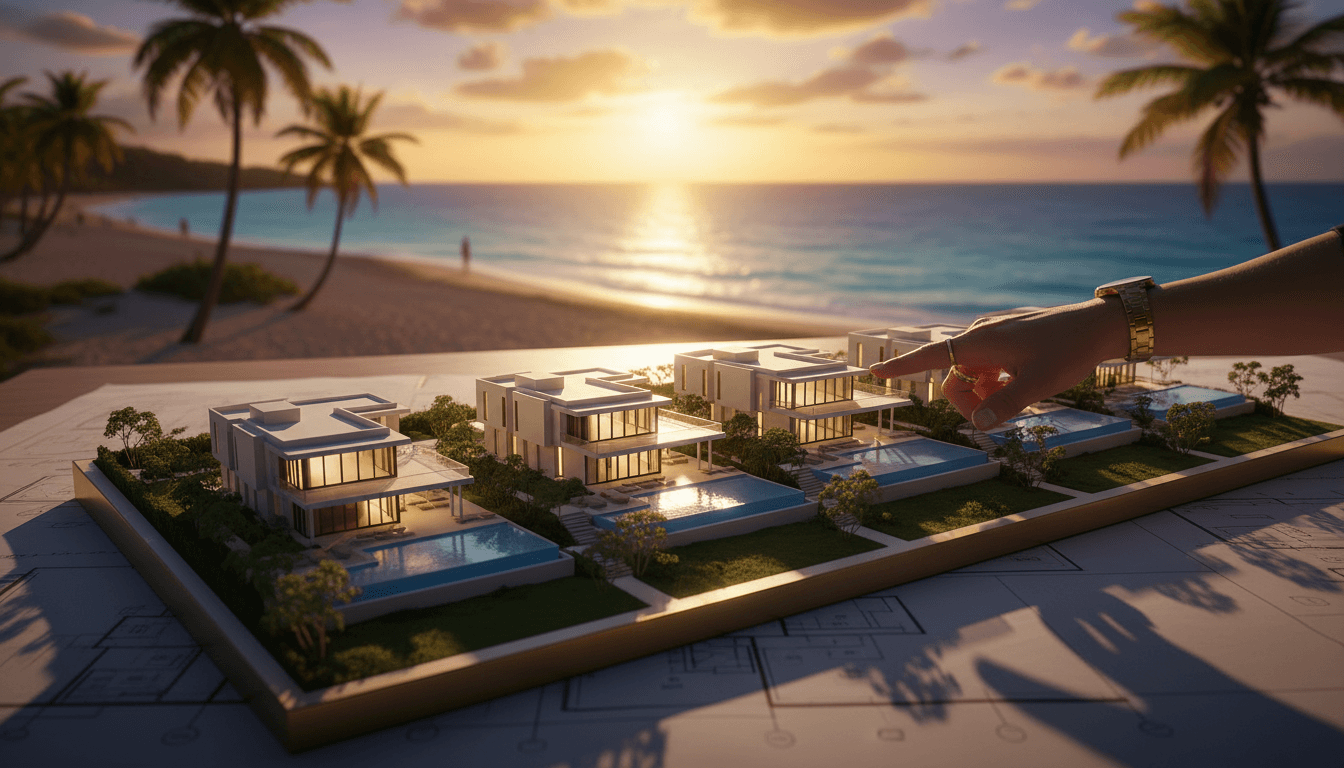
Dominican Republic Pre-Construction: Verifying Developers and Avoiding Scams
By the UpHoming Research Team ·
Verify Dominican Republic pre-construction developers and avoid scams. Learn to check land ownership, permits, contracts, and developer reputation for secure DR real estate investment.
Table of Contents
Navigating Dominican Republic Pre-Construction: Verifying Developers and Avoiding Scams
Investing in pre-construction properties in the Dominican Republic offers a compelling opportunity for foreign investors. Imagine securing your dream beachfront condo in Las Terrenas or a lucrative rental villa in Punta Cana at an attractive price, watching your equity grow before the first tenant even arrives. Sounds appealing, doesn't it? But before you commit your hard-earned capital, it's crucial to understand the unique risks involved. As an expert in Dominican Republic real estate, I've seen both incredible successes and cautionary tales. This guide will walk you through the essential steps to verify developers, identify common scams, and protect your investment in the vibrant DR property market.
How to Verify Developer Land Ownership and Permits for Your DR Pre-Construction Condo
Your first and most vital step when considering a pre-construction condo in locations like Las Terrenas, Punta Cana, or Santo Domingo is to confirm the developer legally owns the land and possesses all necessary permits. Skipping this due diligence is a common pitfall for foreign investors buying property in the Dominican Republic.
Here's a breakdown of the process:
- Engage an Independent Real Estate Attorney: This is non-negotiable. Your attorney must work exclusively for you, not the developer or selling agent. They are your primary shield against future complications.
- Request the Title Documents: Your attorney will request the Certificate of Title (Certificado de Título) for the land. This document, issued by the Title Registry Office (Registro de Títulos), confirms legal ownership. It should be free of liens, encumbrances, or disputes. They will also verify the individual or entity on the title matches the developer.
- Verify Land Survey and Deslinde: The attorney will check the 'deslinde' a cadastral survey that legally defines the boundaries and exact location of the property. This ensures the land size and position match what is advertised for your future condo. Without a proper deslinde, the property is not fully registered and transferable.
- Confirm Construction Permits: For any pre-construction project, the developer needs a variety of permits, primarily:
- Construction Permit (Permiso de Construcción): Issued by the local municipal government (Ayuntamiento), this permits the specific construction project. Your attorney should request to see this and verify its validity with the municipality directly.
- Environmental Impact Assessment (Evaluación de Impacto Ambiental): For larger developments, especially near coastlines or sensitive areas, the Ministry of Environment and Natural Resources (Ministerio de Medio Ambiente y Recursos Naturales) must approve the project.
- Permit for Sale (Permiso de Venta): Although not always a separate document, the municipality or a regulating body might issue a permit or approval for the sale of pre-construction units. Your attorney will confirm all necessary approvals are in place for the developer to legally market and sell units.
Pro Tip: Your attorney should perform a direct verification with the relevant government offices. Do not simply accept copies provided by the developer without independent confirmation. This is critical for secure DR real estate investment.
Common Scams in Dominican Republic Pre-Construction Property Investment
While the Dominican Republic property market offers significant returns, it's important to be aware of the pitfalls. Many pre-construction scams exploit an investor's excitement and lack of local knowledge.
Here are the most common red flags:
- Construction Delays and Abandoned Projects: This is perhaps the most frequent issue. Delays are common, but excessive or unexplained delays can signal financial trouble for the developer. In worst-case scenarios, projects are abandoned, leaving buyers with unfinished units and a legal battle to reclaim funds. Look for developers with a strong financial backing and a clear construction timeline.
- Unlicensed or Unregistered Developers: Some individuals or groups operate without proper legal registration or licensing. They might present themselves as developers but lack the corporate structure, permits, and financial stability required for legitimate projects. Always verify the developer's legal entity registration in the DR.
- Weak Contract Protections for Foreign Investors: A poorly drafted contract is your biggest vulnerability. If the contract doesn't clearly outline payment schedules, completion dates, penalty clauses for delays, material specifications, and what happens if the project fails, you're exposed. Many contracts are heavily skewed in the developer's favor.
- Title Irregularities and Encumbrances: Even if the developer owns the land, there could be issues with the title itself. This includes mortgages, liens, easements, or co-ownership disputes that could affect your future property rights. Your attorney's thorough title search is paramount to uncover any such irregularities.
- Misleading Marketing and False Promises: Be wary of overly ambitious promises, unrealistic rental income projections, or guarantees that sound too good to be true. Scammers often use glossy brochures and high-pressure sales tactics to create a sense of urgency.
Legal Implications of Unannounced Contract Updates in DR Real Estate Projects
Imagine you've signed a purchase agreement for your new Dominican Republic condo investment. Weeks or months later, the developer presents an updated contract with new clauses, different payment terms, or altered specifications, claiming it's "standard procedure" or "minor revisions." This scenario is a serious concern for foreign investors buying property in DR.
Why Independent Legal Review is Crucial for Your DR Property Purchase
In the Dominican Republic, a contract is a legally binding agreement. If a developer attempts to update contracts without your knowledge or explicit consent after you've signed, it raises significant legal red flags.
- Breach of Contract: Unilateral changes to a signed contract generally constitute a breach. Depending on the severity of the changes and the terms of your original agreement, you might have grounds to terminate the contract, demand specific performance, or seek damages.
- Loss of Rights and Investment: If you sign an updated contract without understanding the implications, you could inadvertently waive important rights, agree to unfavorable terms, or accept significant deviations from your original expectations. This could mean paying more, receiving a lower quality unit, or facing extended delays with no recourse.
- Increased Financial Exposure: New clauses might introduce additional fees, change the payment schedule to be less favorable, or shift more risk onto you as the buyer.
- Weakened Position: Without independent legal advice, you're negotiating from a position of weakness. The developer's legal team protects their interests, not yours.
This is precisely why independent legal review is not just crucial, but absolutely essential. Your attorney will review every single page of the contract and any proposed updates, ensuring your interests are protected. They will explain complex legal jargon, negotiate favorable terms on your behalf, and advise you on the risks of accepting or rejecting changes. Never sign an addendum or a new version of a contract without your lawyer's thorough review and approval.
Verifying Developer Reputation and Track Record for Secure DR Property Investment
Avoiding "fly-by-night ventures" or projects plagued by significant delays requires more than just legal checks. It demands a deep dive into the developer's history and reputation. Here's how to conduct this crucial due diligence for your Dominican Republic real estate investment:
- Portfolio Review: Ask the developer for a comprehensive portfolio of their past projects. This should include completed developments, not just current ones. What kind of properties have they built? Are they similar in scale and quality to the project you're considering?
- Site Visits to Past Projects: This is invaluable. If possible, visit their completed projects. Are they well-maintained? Are residents happy? Do the finished properties match the original renderings and promises? Talk to property managers or even residents if you can. This provides real-world insight into their construction quality and post-completion management.
- Financial Stability Check: While difficult for an individual investor to perform thoroughly, your attorney might be able to gather some financial indicators or verify bank references if the developer is willing to provide them. A developer with strong financial backing is less likely to abandon a project due to funding issues.
- Online Presence and Reviews: Research the developer's website, social media, and any news articles. Look for reviews or discussions on real estate forums related to the Dominican Republic. Are there consistent complaints about delays, quality issues, or lack of communication? While individual negative reviews are normal, a pattern of serious issues is a major red flag.
- Professional References: Ask for references from banks, reputable real estate agencies, or even past buyers (if the developer is willing to connect you). A trustworthy developer will be transparent and have nothing to hide.
- Local Expertise and Longevity: How long has the developer been operating in the Dominican Republic, especially in your target area like Punta Cana or Cabarete? Developers with a long-standing presence and deep local connections often have a better understanding of the market and regulatory environment.
- Team and Partnerships: Who are the key people behind the development? What is their experience? Are they partnering with reputable architects, contractors, and sales teams? Researching these partners can also provide insights into the overall project's credibility.
By diligently applying these verification steps, you significantly mitigate the risks associated with pre-construction purchases and enhance your chances of a successful DR property investment.
Ready to Invest in Dominican Republic Real Estate Securely?
Investing in pre-construction Dominican Republic real estate holds immense potential for foreign investors, but it demands meticulous due diligence. From verifying land ownership and permits in Las Terrenas to scrutinizing developer reputations and understanding legal contracts, protecting your investment means being proactive and informed. Don't let the excitement overshadow the necessary checks. For comprehensive resources, vetted professional networks, and expert guidance to secure your Dominican Republic property investment, visit uphoming.com. Your successful and safe investment journey begins with the right knowledge and support.
Keep reading

Santiago to Puerto Plata in 23 Minutes: What a $538 Million Highway Means for North Coast Property Values
July 7, 2026
3.7 Million Visitors, $13 Billion in Bank Commitments: What the Dominican Republic's Record Q1 2026 Means for Pre-Construction Buyers
July 1, 2026
On the DR's North Coast, a Beach Condo Pays You Back 6–10% a Year — and Sells in Half the Time of a Villa
June 23, 2026